
Berry Seed Oils: Specialty Oils to Nurture Your Skin Through Every Phase

Berry seed oils, pressed from the small seeds of fruits like cranberries, strawberries, raspberries, grapes, and blackcurrants, are nature's thoughtful gifts for skincare.
These light, nutrient-packed oils have gained appreciation for their ability to support skin that shifts with your body's natural cycles. They provide caring benefits that help your skin feel balanced, protected, and radiant—without ever feeling heavy or overwhelming.
In this article, we’ll explore the berry seed oils—how they’re extracted, their key nutrients, and the everyday ways they care for your skin. Then we’ll take a closer look at some of the berry seed oils we include in Seed&Berry products: cranberry seed oil, red raspberry seed oil, grape seed oil, and blackcurrant seed oil. Each one brings its own special strengths to support your skin during different phases of your cycle.
From Leftover Berries to Planet-Friendly Skincare
Berry seed oils often begin their journey as seeds left behind after berries are pressed for juice, jams, preserves, or other products—a resourceful and forward-thinking way to reduce waste and make the very most of nature’s generous harvest.
These seeds, once regarded simply as agricultural by-products, are now carefully gathered and transformed into high-quality, nutrient-dense oils through a gentle cold-pressing method. Cold-pressing involves no chemicals and no extreme heat; the temperature is kept below 50 °C throughout the entire process.
By choosing to upcycle these seeds instead of letting them go to waste, the process significantly reduces food waste, helps lower the environmental footprint, and contributes to a more circular and sustainable economy. What was once considered leftover material becomes a valuable, planet-friendly ingredient that brings concentrated goodness to your skincare routine.
Cold-pressed berry seed oils have grown in popularity precisely because of these thoughtful benefits, offering both exceptional care for your skin and a meaningful step toward more responsible beauty choices.
Why Berry Seed Oils Are Considered Specialty Oils
Berry seed oils stand apart as true specialty oils in the world of natural skincare and wellness ingredients. They are produced in relatively small quantities because the seeds yield only a tiny amount of oil, the extraction process is delicate and more costly, and they boast an exceptionally rich and unique nutrient profile.
Several factors contribute to this special status:
Unique Nutritional & Chemical Profile: their nutrient profile is exceptionally rich and distinctive. Berry seed oils are naturally high in polyunsaturated fatty acids (such as linoleic and alpha-linolenic acids), along with generous amounts of tocopherols, tocotrienols (advanced forms of vitamin E), and a broad spectrum of polyphenols and other bioactive compounds. This combination gives them a particularly favourable fatty acid balance and antioxidant strength that sets them apart from more widely available oils.
Low Production Yield & High Cost: their production is naturally limited and more resource-intensive. The seeds themselves contain only a small percentage of oil, and the preferred extraction method—gentle cold-pressing—requires care to preserve the delicate nutrients, resulting in lower overall yields compared to common vegetable oils. This careful process, combined with the small size of the seeds, makes large-scale production challenging and more expensive, so these oils are produced in smaller, premium batches.
High-Value Applications: because of these concentrated properties—including strong antioxidant, anti-inflammatory, and skin-supporting qualities—they are highly valued in high-end cosmetics, premium skincare formulations, targeted dietary supplements, and functional foods. Their unique composition makes them especially sought-after when a product needs gentle yet powerful nourishment or protection.
Sustainability & By-product Utilization: many berry seed oils are created through smart upcycling: the seeds are often by-products of the juice, jam, or preserve industry. Rather than discarding them, these seeds are transformed into valuable oils, turning potential waste into a sustainable, high-quality ingredient. This responsible approach adds another layer to their appeal—environmental care combined with exceptional performance.
In short, berry seed oils earn their “specialty” label through rarity, superior nutrient density, careful production, targeted benefits, and thoughtful sustainability.
The Everyday Benefits Berry Seed Oils Offer Your Skin
The cold-pressed method of extraction allows berry seed oils to retain far more of their natural phytochemicals and bioactive compounds—including vitamin C, vitamin E, a rich variety of essential fatty acids, dietary fibres, and powerful phenolics such as anthocyanins, phenolic acids, flavonols, and tannins—than oils produced with harsher techniques. These naturally occurring elements are widely recognised for their health-promoting and skin-supporting properties.
What makes these oils so enjoyable to use is their delightful sensorial experience. They are wonderfully lightweight and non-greasy, absorbing very quickly into the skin with almost no waiting time. As true emollients, they leave your skin feeling instantly soft, smooth, and velvety.
You’ll notice a mild, distinguished scent—slightly nutty with a gentle fruity undertone—that feels fresh and natural without being overpowering. Their colour ranges from pale light yellow to warm golden-amber tones, depending on the berry (blackberry seed oil, for example, often has a beautiful golden-to-amber hue that looks luxurious in the bottle).
Because they are generally non-comedogenic, berry seed oils are well-tolerated and suitable for a wide range of skin types—including acne-prone and combination skin—without clogging pores or causing congestion.
Full of polyphenols, vitamins, and essential fatty acids, they help secure your skin’s natural moisture, forming a protective shield that keeps it soft, flexible, and comfortable throughout the day. This gentle, fast-absorbing nature makes them a pleasure to layer into any routine, especially when your skin is asking for light yet effective care during hormonal shifts.
Cranberry Seed Oil & the Menstrual Phase
During the menstrual phase, when estrogen and progesterone levels are at their lowest, your skin often feels tender, dehydrated, and more vulnerable as the barrier weakens and moisture escapes more easily.
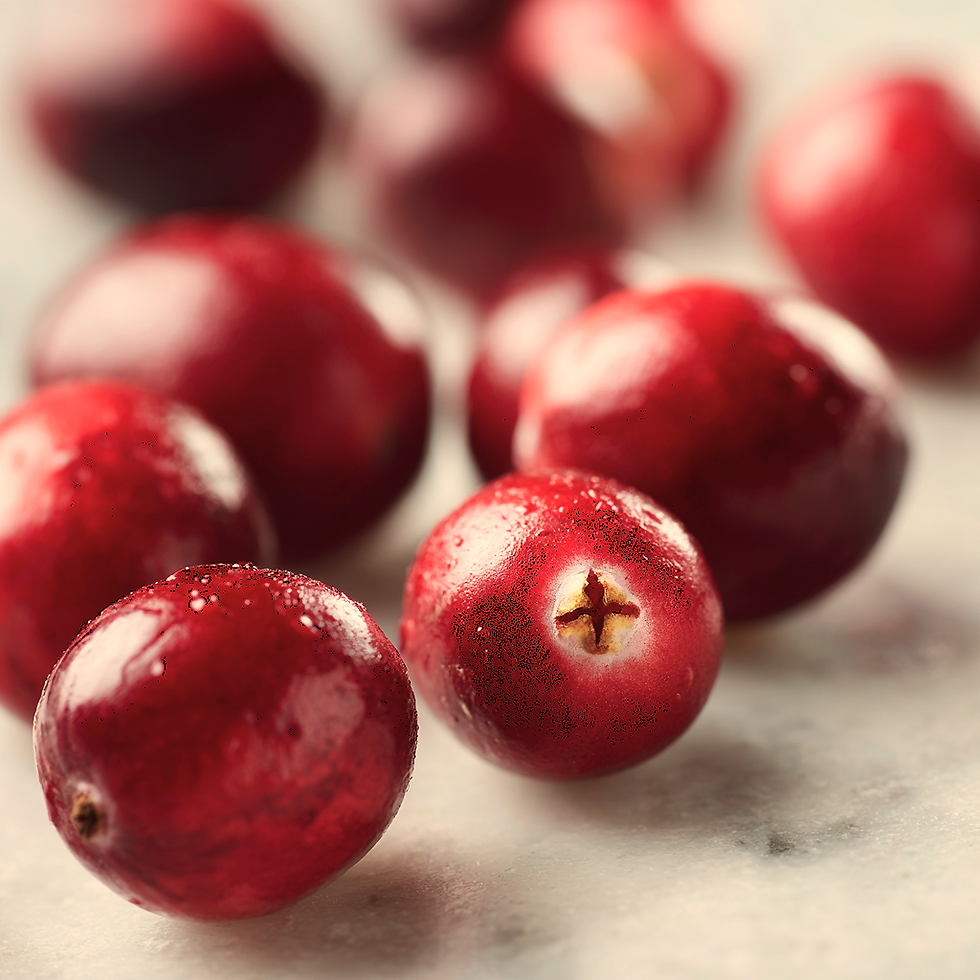
Cranberry seed oil steps in as an exceptionally well-matched ally here, thanks to its rare and nearly perfect 1:1:1 balance of omega-3 (alpha-linolenic acid), omega-6 (linoleic acid), and omega-9 (oleic acid) fatty acids—a harmony that is surprisingly uncommon in the world of natural lipids.
omega-3s help calm inflammation and soothe any heightened sensitivity,
omega-6s work to repair and reinforce the skin barrier, and
omega-9s bring a silky, non-greasy smoothness.
Beyond the fatty acids, cranberry seed oil is rich in oil-soluble antioxidants, including potent forms of vitamin E (tocopherols and tocotrienols), powerful polyphenols (such as proanthocyanidins and catechins), and phytosterols like beta-sitosterol. These compounds shield the skin from free radical damage, gently support collagen integrity, and help ease redness, itching, and irritation while encouraging tissue repair and regeneration.
This thoughtful combination makes cranberry seed oil particularly well-suited to the menstrual phase: it provides multi-layered support, from a that calms, repairs, protects, and restores—all delivered in a lightweight, fast-absorbing form that feels gentle and respectful of skin that’s asking for extra kindness.
Want to dive deeper? Discover more about this incredible oil in our dedicated article: Cranberry Seed Oil: The Golden Guardian for Your Cycle’s Toughest Days — a heartfelt celebration of why this nutrient-rich gem belongs in your cycle-synced ritual.
Grape Seed Oil & the Follicular Phase
As estrogen rises steadily through the follicular phase (days 6–14 approximately), your skin naturally enters its most vibrant, resilient window—collagen production increases, elasticity improves, pores refine, and that enviable “glow” appears.
Grape seed oil is perfectly suited to celebrate and enhance this hormonal bloom, thanks to its elegant, lightweight profile and exceptional nutrient profile. Exceptionally rich in linoleic acid (an omega-6 essential fatty acid), it supports the skin barrier, helps secure moisture, and gently reduces minor inflammation so your complexion stays smooth and comfortable.
Layered with powerful antioxidants—particularly vitamin E and proanthocyanidins (polyphenols shown in studies to be up to 20 times stronger than vitamin E and 50 times stronger than vitamin C)—this oil provides robust protection against free radicals, environmental stressors, and oxidative damage while bonding with collagen to promote youthful firmness, elasticity, and flexibility.
Its fast-absorbing, non-greasy texture sinks beautifully into the skin without any heaviness, delivering lightweight nourishment, improved suppleness, and a fresh, even-toned luminosity that amplifies your skin’s natural radiance.
Because it is non-comedogenic and exceptionally gentle, grape seed oil helps maintain balance, prevents pore congestion, and allows your skin to breathe freely—letting that confident, hormonal glow shine through without interruption. This makes it an ideal companion for the follicular phase, when skin is at its strongest yet still deserves intelligent, protective care to sustain and elevate its peak condition.
Want to dive deeper? Discover more about this radiant oil in our dedicated article: Grape Seed Oil: The Ally That Amplifies Your Follicular Glow — a deep-dive into why grape seed oil is such a perfect match for your skin’s most vibrant days.
Blackcurrant Seed Oil & the Follicular Phase
Cold-pressed from the tiny seeds of ripe blackcurrants—the very heart of our berry philosophy at Seed&Berry Botanicals—blackcurrant seed oil is a deeply nourishing gift from nature. What sets it apart is its exceptional richness in essential fatty acids, including an impressive 15–17% gamma-linolenic acid (GLA)—nearly twice the concentration found in evening primrose oil—alongside a solid 13% alpha-linolenic acid (omega-3). This powerful combination delivers a rare and balanced profile that supports hydration, elasticity, and radiance in a way few other botanical oils can match.
In the follicular phase (days 6–14 approximately), as estrogen rises and your skin naturally plumps, brightens, and reaches its most receptive and vibrant state, blackcurrant seed oil steps in to enhance and celebrate that beautiful bloom. Its potent antioxidants—tocopherols (forms of vitamin E) and a wide array of phenolic compounds—provide gentle yet effective protection against daily environmental stress and oxidative damage.
Highly nourishing yet remarkably gentle, blackcurrant seed oil calms any subtle sensitivity that might linger and leaves your complexion feeling strong, vibrant, and effortlessly luminous. It truly shines during these weeks when your skin is at its most open to receiving care—helping you radiate confidence and vitality while honouring the brand’s mission to align skincare with your cycle’s natural intelligence and beauty.
Want to dive deeper? Discover more about this extraordinary oil in our dedicated article: Blackcurrant Seed Oil: The Powerhouse That Elevates Your Follicular Bloom — where we share everything you need to know about this cycle-loving, glow-enhancing treasure.
Red Raspberry Seed Oil & the Luteal Phase
As progesterone rises and estrogen begins to decline in the luteal phase (days 15–28 approximately), your skin often becomes oilier, more reactive, and prone to inflammation, congestion, and hormonal breakouts. Red raspberry seed oil, cold-pressed from the seeds of Rubus idaeus, is a lightweight, luxurious oil we specifically chose for this phase because of its strong antioxidant power and gentle anti-acne properties, making it an ideal companion when your skin needs calm, balance, and clarity without adding extra oiliness.
Exceptionally rich in linoleic acid (omega-6) and alpha-linolenic acid (omega-3), it closely resembles the skin’s own natural lipid matrix. These essential fatty acids replenish missing lipids in the stratum corneum, reduce transepidermal water loss, improve moisture retention, and enhance elasticity—helping create a more balanced, resilient complexion even when hormones encourage excess sebum.
Red raspberry seed oil absorbs remarkably quickly, never clogs pores, and leaves no greasy residue behind, so it feels perfectly suited to the oilier, more congested skin that often appears during this phase.
Its phytosterols and polyphenols further modulate inflammatory pathways, visibly calm redness, and soothe reactivity, offering gentle yet effective protection and comfort on sensitive or blemish-prone days.
Want to dive deeper? Discover more about this extraordinary oil in our dedicated article: Raspberry Seed Oil: The Calming Guardian That Steadies Your Luteal Skin — a deep-dive into how it helps soothe, regulate, and comfort your skin when hormones ask for extra care.
Embracing Berry Seed Oils in Your Cycle-Aware Journey
Berry seed oils offer a natural path to support your skin's monthly shifts with thoughtful, science-backed care. At Seed&Berry, we weave them into our formulas to meet your skin's unique needs—guiding you with education and a community for sharing experiences.
The Science
Cold pressed berry seed oils - Research Gate
Berry seeds: A source of specialty oils with high content of bioactives and nutritional value - Research gate
Wound-healing properties of the oils of Vitis vinifera and Vaccinium macrocarpon - Pubmed
Grape Seed Oil: from a winery waste to a value added cosmetic product - A Review - Research Gate
Blackcurrant Seed Oil: The Anti-Inflammatory Powerhouse - Kosumosu Organics
Red Raspberry (Rubus idaeus L.) Seed Oil: A Review - Pubmed
Triacylglycerol and Fatty Acid Compositions of Blackberry, Red Raspberry, Black Raspberry, Blueberry and Cranberry Seed Oils by Ultra-Performance Convergence Chromatography-Quadrupole Time-of-Flight Mass Spectrometry - Pubmed


Comments